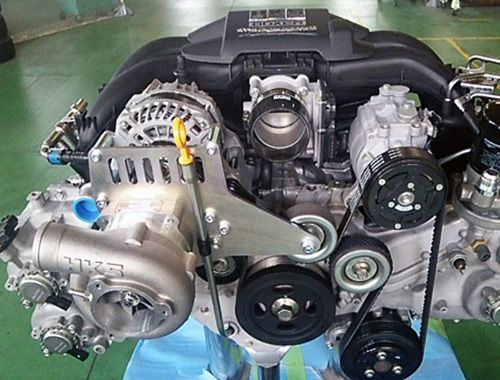
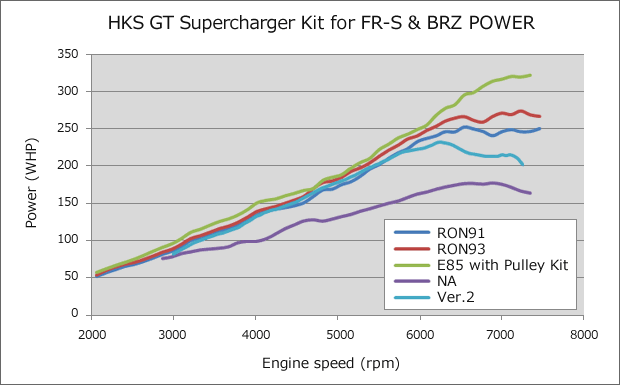
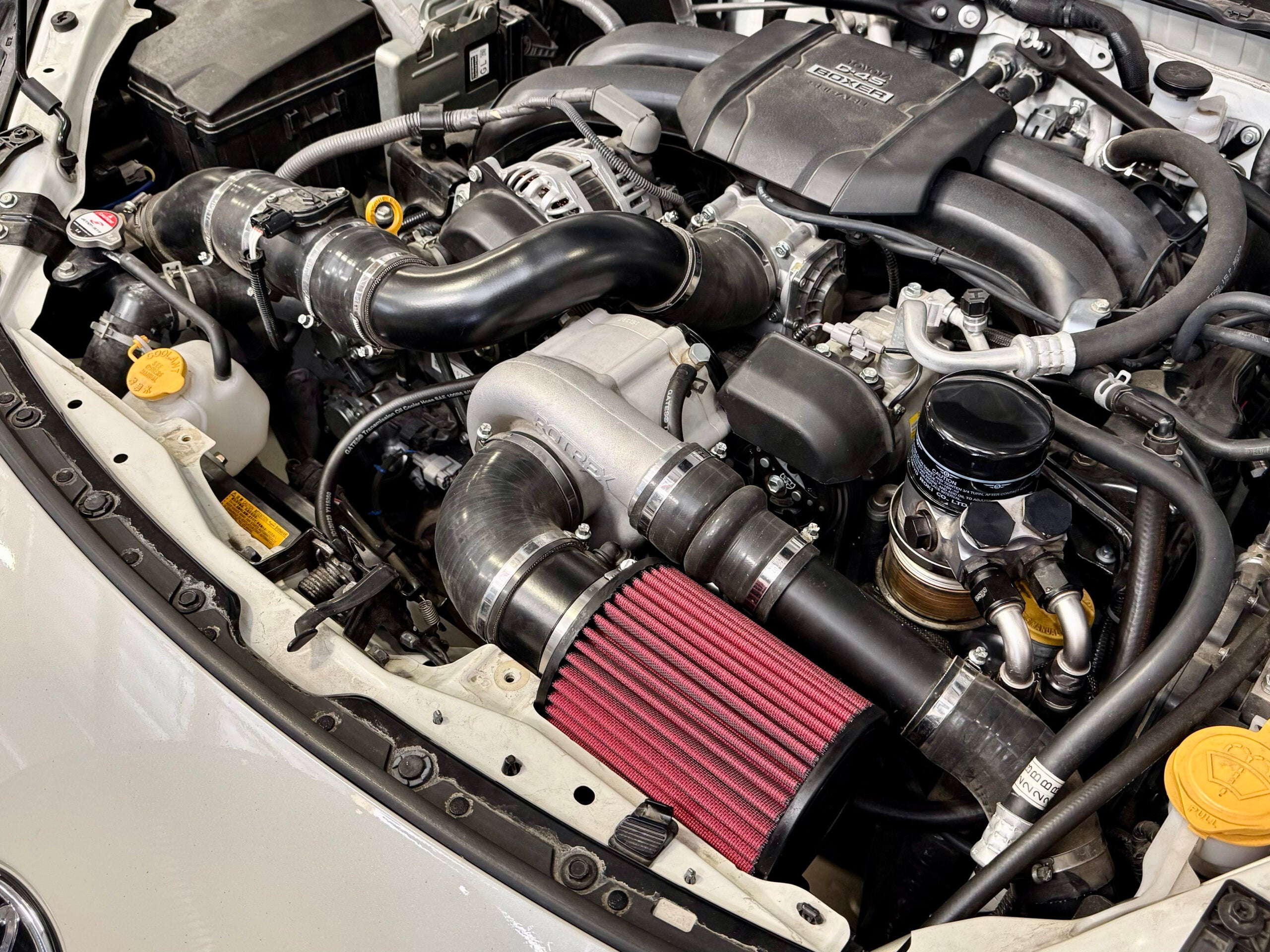
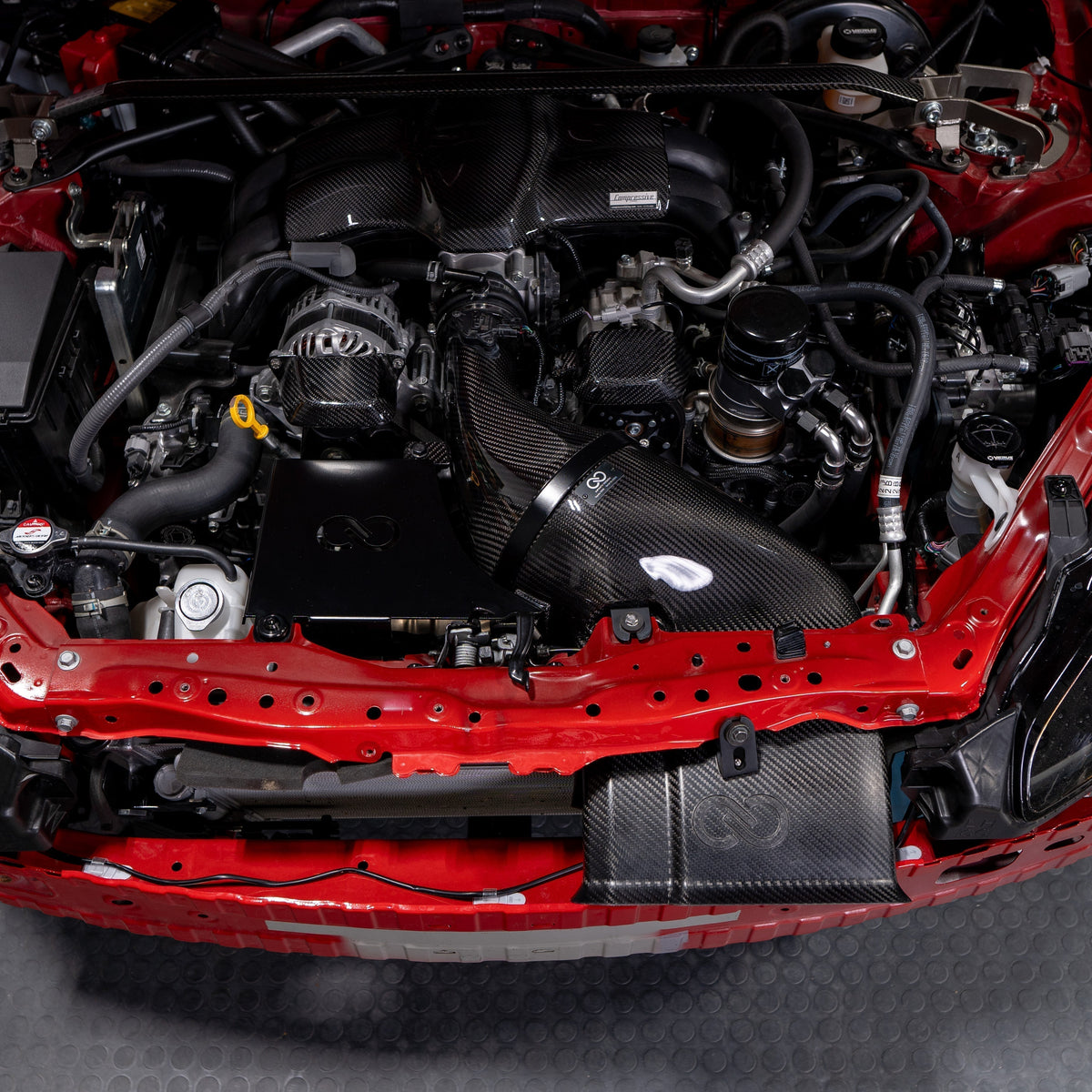
HKS offers both turbocharged and supercharged solutions for the FA24, so the product names matter. The HKS GTIII-RS kit available through Driven.Media is a turbocharger system, not a centrifugal supercharger. HKS’s relevant centrifugal system is the GT2-7040L supercharger kit.
The linked Vortech page also requires caution. Its title references a GR86/BRZ tuner kit, but the listing is currently unavailable and its product description identifies an FA20-specific H67B system. Until Vortech confirms FA24 fitment for a specific part number, it should not be treated as a verified 2022+ GR86/BRZ option.
The Kit Is Not the Complete Build
Forced induction changes more than the horsepower number. Before choosing a kit, budget and plan for the complete system around it.
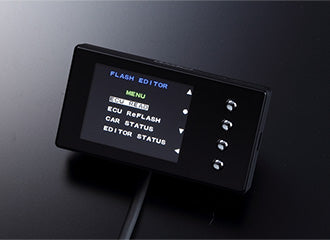
- ECU calibration: A safe tune from someone experienced with the FA24 is essential. A tuner kit is not a complete running solution.
- Fuel: Use the octane and fuel type required by the calibration. Do not change fuel blends without the correct tune.
- Charge cooling: Confirm intercooler installation, confirm if it’s either an air-to-water or water-to-air setup, hose routing, and airflow.
- Engine-oil temperature: Track use may require additional oil cooling and more frequent inspection. The correct setup depends on climate, session length, and use.
- Clutch and drivetrain: A stock clutch may survive a conservative setup, but added torque and aggressive driving can shorten its life.
- Tires and brakes: More speed increases braking demand and makes tire quality and braking performance even more important..
- Maintenance: Belts, clamps, couplers, filters, dedicated supercharger fluid, spark plugs, and fluid intervals become part of the ownership plan.
- Emissions and warranty: Confirm current federal, state, and local legality as well as the effect on factory and component warranties before ordering.
A reliable build is not created by the compressor alone. It is the result of conservative goals, compatible hardware, a proven calibration, careful installation, good fuel, and consistent maintenance.
Which Build Philosophy Is Right for You?
Choose Naturally Aspirated If:
- You care more about feel, balance, and driver development than straight-line speed.
- You want to use more of the car’s performance more often.
- You prioritize lower complexity and easier heat management.
- Your next dollars would be better spent on tires, brakes, suspension, alignment, cooling, or track time.
Choose a Centrifugal Supercharger If:
- You like the FA24’s existing character but want much more power as the revs rise.
- You want strong top-end performance with progressive delivery.
- You are willing to build around the kit with proper calibration, cooling, fuel, and maintenance.
Choose a Roots-Style Supercharger If:
- You want immediate throttle response and a much stronger low- and midrange.
- You want the car to feel faster during normal street and canyon driving without constantly chasing redline.
- You prefer a broad, OEM-like torque curve over a top-end-focused rush.
Our Take
The best BRZ/GR86 build is not the one with the longest parts list or the highest dyno sheet. It is the one whose modifications all support the same purpose.
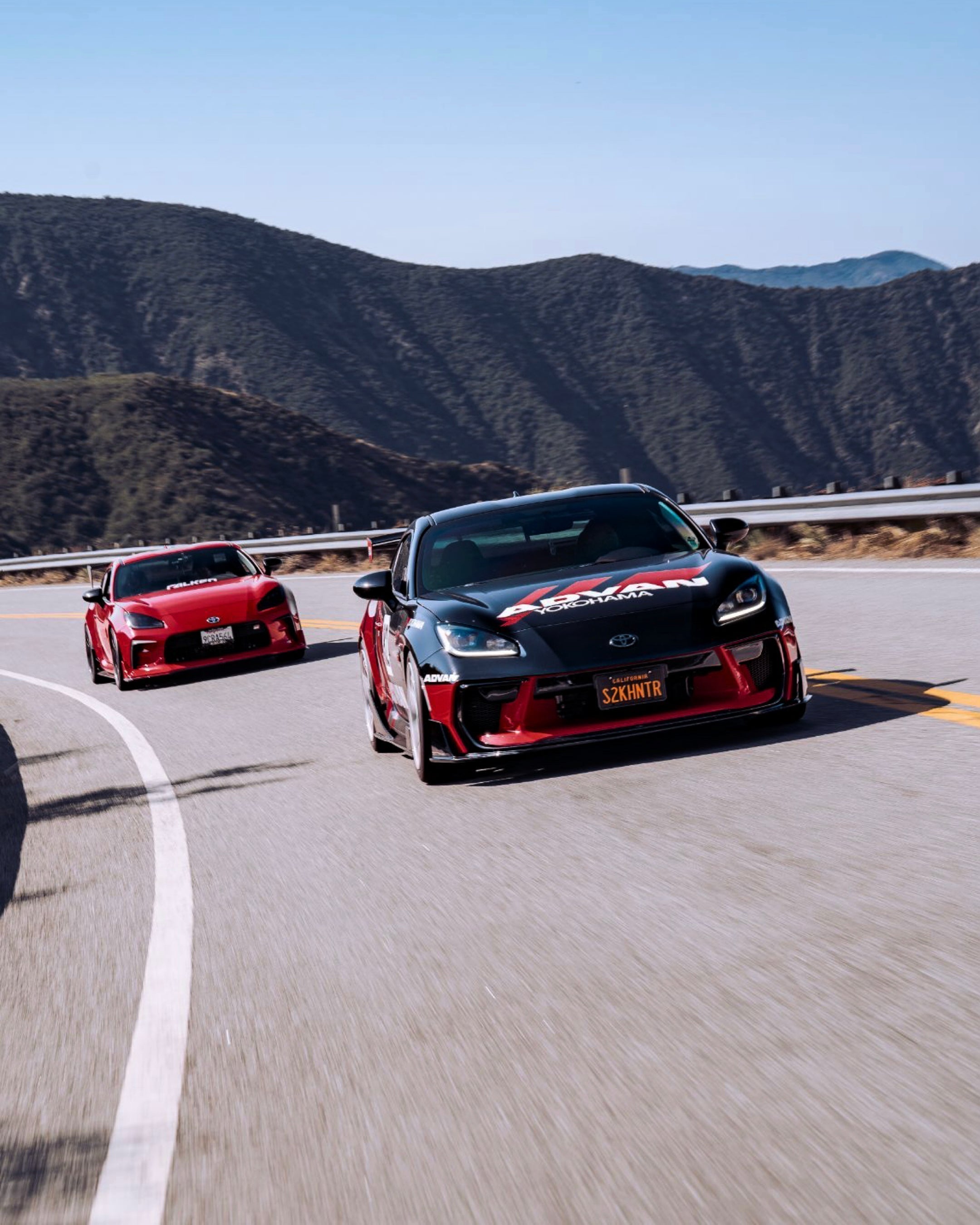
Tim’s naturally aspirated GR86 proves that a cohesive chassis and a responsive engine can create a serious driver’s car without forced induction. Adriel’s Harrop-supercharged GR86 proves that a well-developed boost package can make the platform dramatically faster while preserving a linear, usable personality. Yo’s impressions draw the line between them: the supercharged car is clearly faster, while the NA car feels closer to the GT3 philosophy.
If you are still learning what the stock chassis can do, start with tires, brakes, alignment, suspension, and seat time. If you already know that what you are missing is acceleration, choose the supercharger whose power delivery matches the roads and events you actually drive.