
Load video:

GRR GR86 Future FR concept & GR YARIS M concept

Toyota just gave sports-car enthusiasts something more interesting than another rendering: two very different development cars doing real race distance.

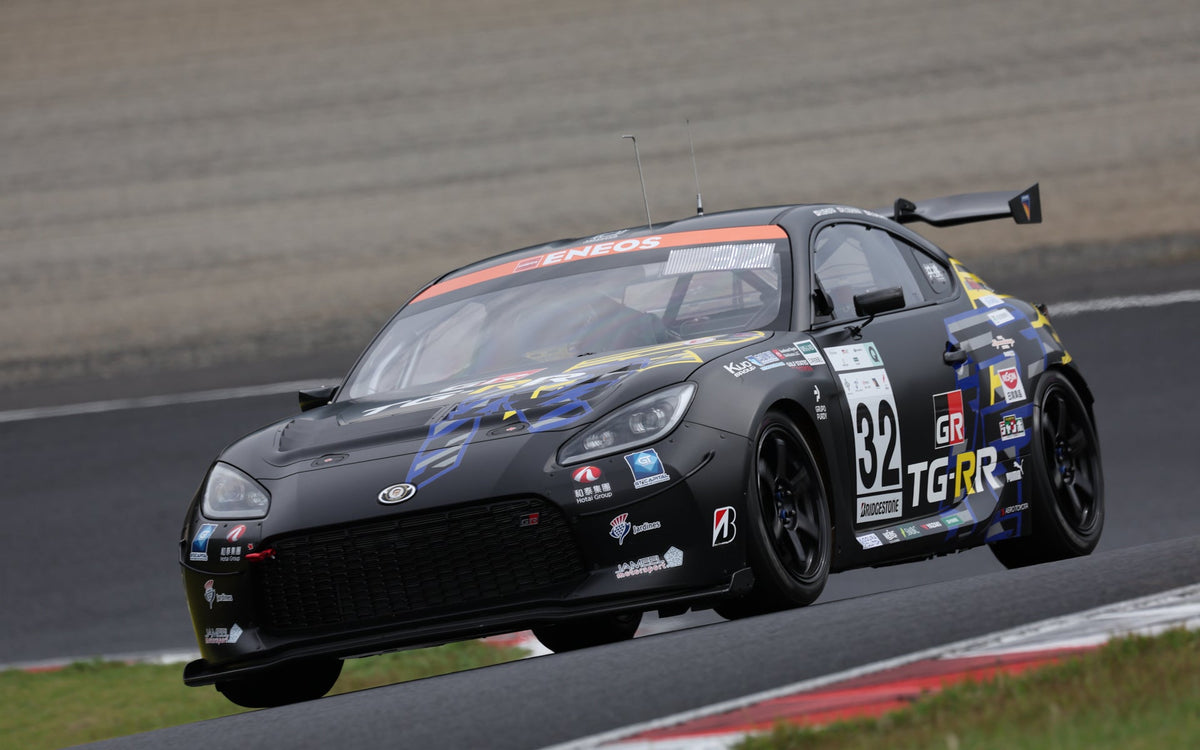
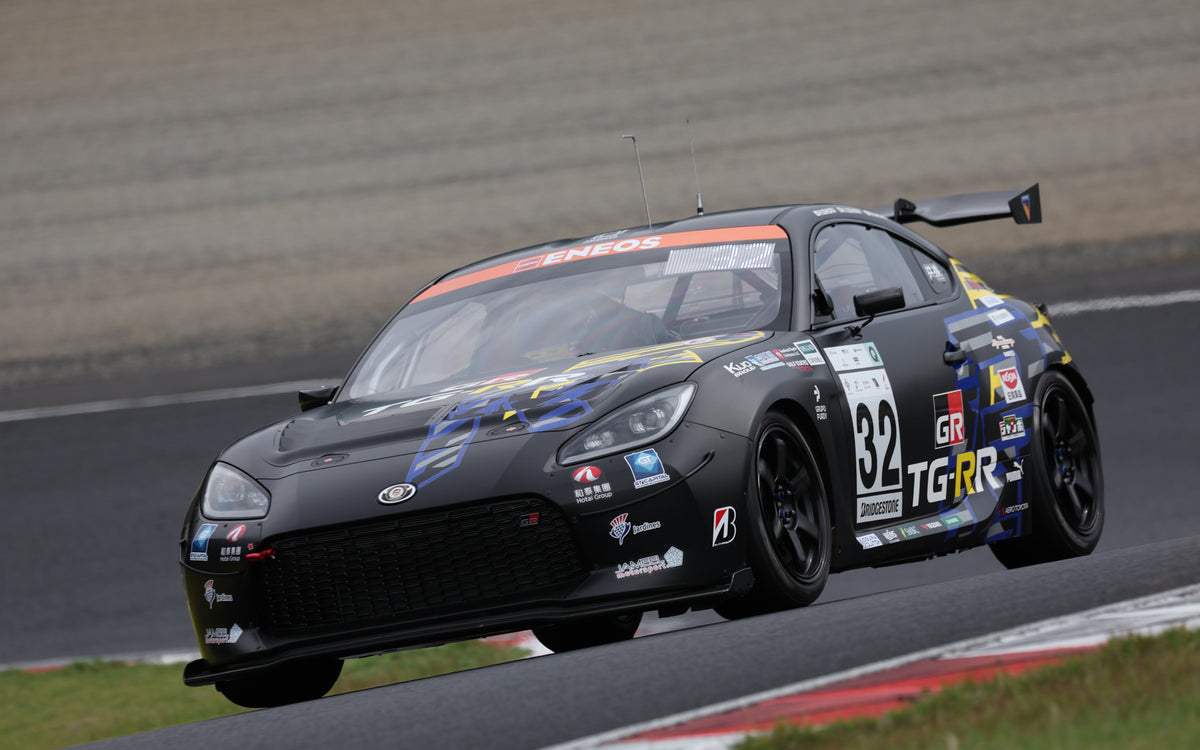
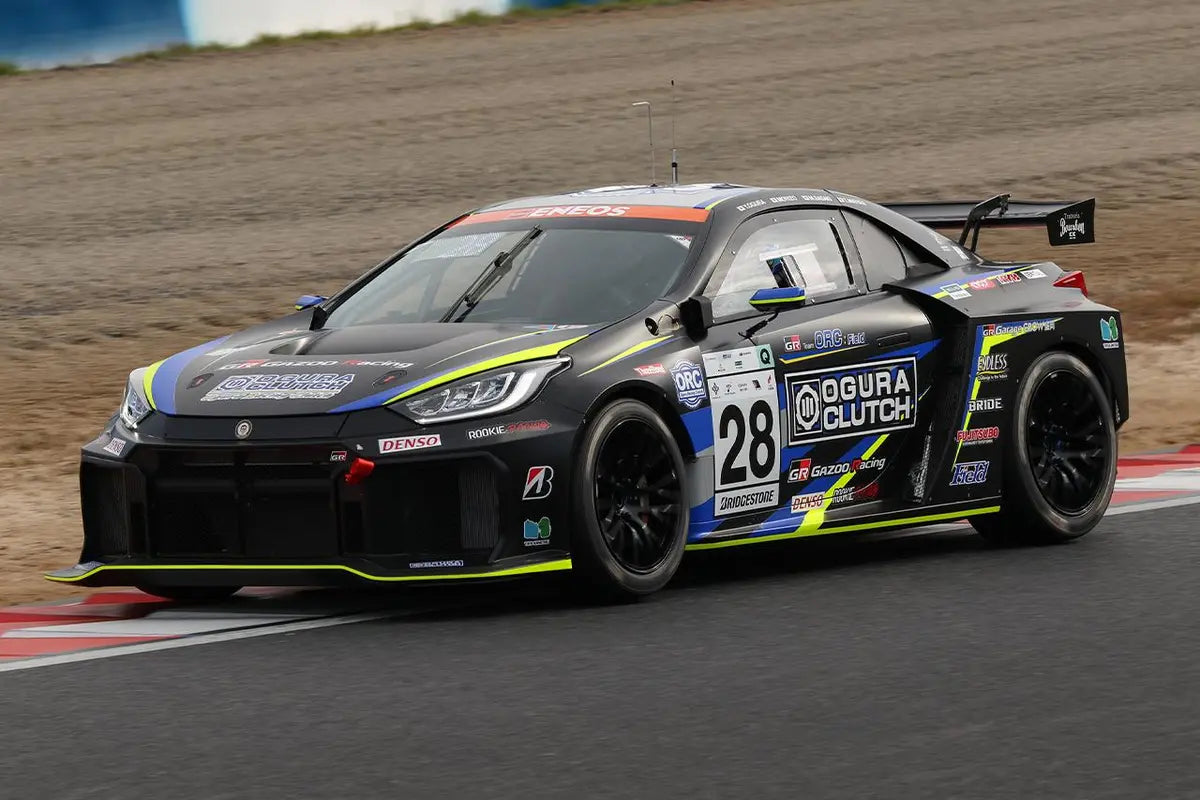
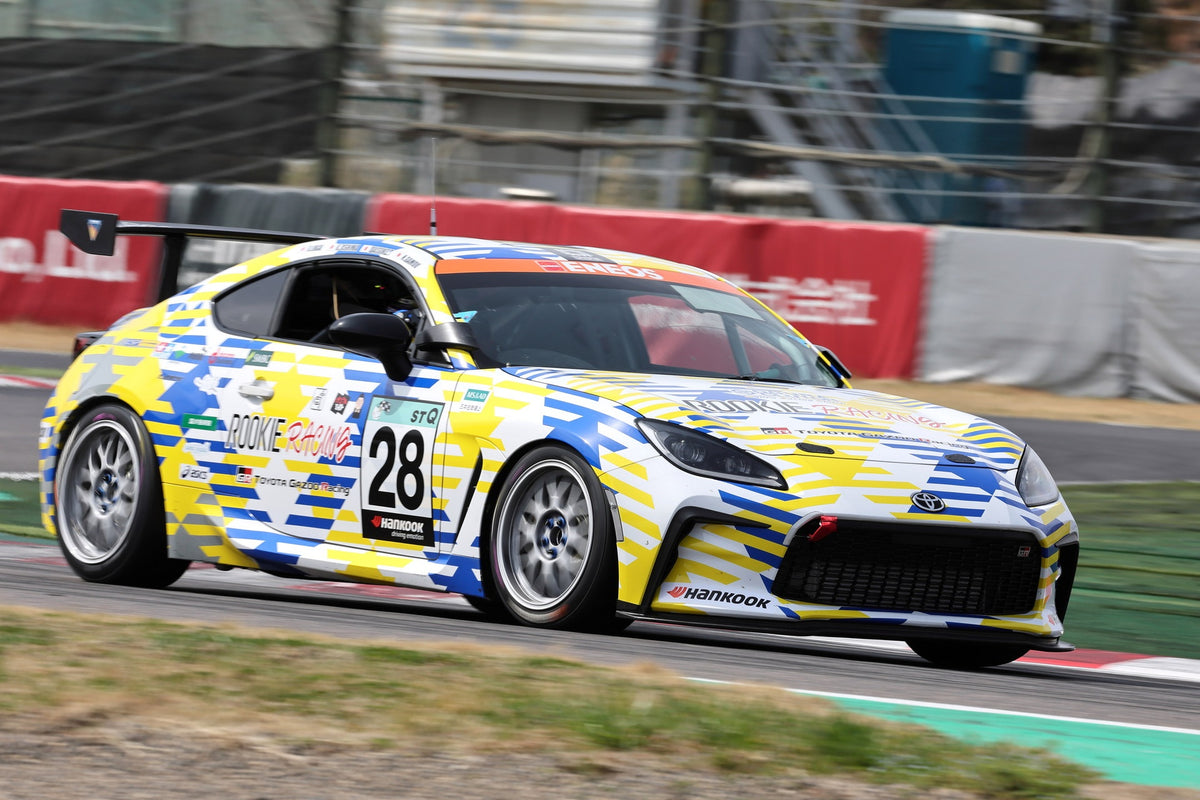
At the October 24–25, 2026 Super Taikyu round at Okayama International Circuit, the entry list included the No. 32 TGRR GR86 Future FR concept and the No. 28 GR YARIS M concept. Both ran in the experimental ST-Q category. One puts a fresh spin on the familiar front-engine, rear-wheel-drive formula. The other takes Toyota's mid-engine development program much further from its hatchback origins. [1]

The second car has fueled plenty of Celica and MR2 conversation. But the important distinction comes first: the Okayama car was not officially entered as a Celica, and the GR86 prototype is not a confirmed specification for the next production GR86. There is still a lot worth getting excited about without turning either experiment into a showroom announcement.

GRR GR86 Future FR concept & GR YARIS M concept on track

Why Toyota Is Developing These Cars in Super Taikyu

Super Taikyu is an endurance-racing series, but its ST-Q category also gives manufacturers room to develop technology in competition. Toyota Times explains that the class was established in 2021 for vehicles under development, with projects involving alternative fuels and different powertrain approaches joining the field. [2]

For a development team, a race asks different questions than a single fast lap. Does the car remain predictable through a stint? How do temperatures and tire behavior change? Can different drivers use its performance consistently? Those are the kinds of questions that make endurance racing useful and why a car can be valuable to engineers long before its production future is settled.

Toyota just gave sports-car enthusiasts something more interesting than another rendering: two very different development cars doing real race distance.

At the October 24–25, 2026 Super Taikyu round at Okayama International Circuit, the entry list included the No. 32 TGRR GR86 Future FR concept and the No. 28 GR YARIS M concept. Both ran in the experimental ST-Q category. One puts a fresh spin on the familiar front-engine, rear-wheel-drive formula. The other takes Toyota's mid-engine development program much further from its hatchback origins. [1]

The second car has fueled plenty of Celica and MR2 conversation. But the important distinction comes first: the Okayama car was not officially entered as a Celica, and the GR86 prototype is not a confirmed specification for the next production GR86. There is still a lot worth getting excited about without turning either experiment into a showroom announcement.

Why Toyota Is Developing These Cars in Super Taikyu

Super Taikyu is an endurance-racing series, but its ST-Q category also gives manufacturers room to develop technology in competition. Toyota Times explains that the class was established in 2021 for vehicles under development, with projects involving alternative fuels and different powertrain approaches joining the field. [2]

For a development team, a race asks different questions than a single fast lap. Does the car remain predictable through a stint? How do temperatures and tire behavior change? Can different drivers use its performance consistently? Those are the kinds of questions that make endurance racing useful—and why a car can be valuable to engineers long before its production future is settled.

The Two Prototypes at a Glance

Okayama development cars not announced road car specifications. Technical details are discussed and sourced below.
Detail GR86 Future FR concept GR Yaris M Concept
Race number 32 28
Layout Front-engine, rear-wheel drive Mid-engine, four-wheel drive
Engine Development 2.0-liter naturally aspirated inline-four G20E 2.0-liter turbocharged inline-four
Notable changes New engine; double-wishbone suspension front and rear Coupe-style body; revised chassis and aerodynamics; six-speed manual
Production takeaway An FR development experiment, not a next-generation launch A mid-engine development platform, not a confirmed Celica reveal

The GR86 Prototype: An Inline-Four Without a Turbo

The headline change in the GR86 is its development 2.0-liter naturally aspirated inline-four. Car Watch's October 26 trackside report connects it to Toyota's G20E engine program, in a non-turbo configuration. Driver Kazuya Oshima also described an engine that revved beyond the development team's expectations. A specific production redline was not established by that report. [3]

This is separate from both the showroom car and earlier experimental racers. Car Watch documents that the GR86 development car had previously used a modified G16E-GTS turbocharged three-cylinder. The move at Okayama was therefore from one racing test configuration to another—not Toyota removing a factory turbo from a production GR86. [4]

What About Horsepower?

The honest answer is that the initial estimates differ. Car Watch's October 23 coverage quoted a mechanic at around 200 PS; its October 26 follow-up put output at approximately 220 metric horsepower. We would treat this as a reported development range, not a finalized rating. PS is metric horsepower, so these figures also should not be compared directly with U.S. SAE horsepower numbers without conversion. [4] [3]

For context, Toyota lists the U.S.-market 2026 production GR86 with a 2.4-liter naturally aspirated boxer, 228 horsepower, and 184 lb-ft of torque. It remains rear-wheel drive, with a six-speed manual or automatic. Those are showroom specifications; the Okayama engine is a different proposition. [5]

The Chassis Is Part of the Experiment

Car Watch also reports double-wishbone suspension at both ends, with geometry still being evaluated. The team has informally used the Levin name, while Akio Toyoda characterized the project as Oshima's independent research into future FR possibilities. Neither nickname is a new production-model announcement. [3]

Our take: The interesting part is the combination of engine response and chassis experimentation, not a promised horsepower increase. An inline-four does not automatically make the complete car lighter, better balanced, or more enjoyable than a boxer. The point of development is to find out how the whole package works.

For a closer look and engine sound, see Car Watch's trackside GR86 prototype footage. This is independent coverage, not a Driven.Media road test.
Toyota Times identifies the G20E as a compact 2.0-liter turbocharged engine. Its engineers describe work on packaging and combustion efficiency with commercial use in mind not simply a dedicated racing engine. That gives the program context, but it does not establish a future Celica's rated output. [11]

What makes the October 2026 version stand out is how far the body has moved from the hatchback silhouette. Car Watch documented extensive body, chassis-geometry, and aerodynamic changes. The coupe-style form was developed to lower the center of gravity, reduce drag, and improve rear downforce as the team addressed difficult breakaway behavior. It retained GR Yaris lighting, and the formal entry name remained GR Yaris M Concept. [7]

That distinction matters when looking at the photographs. A lower roof and reshaped rear body can be engineering solutions rather than a preview of final production styling. The shape is evidence of development progress; by itself, it does not identify the badge that would go on a road car.

Yes, This Version Has a Manual

Car Watch's October 24 reporting identifies another significant change: the revised concept switched from the eight-speed GR-DAT automatic to a six-speed manual. It also used left-hand drive, and Akio Toyoda participated under his Morizo racing name. That confirms a manual in this test car, not a guaranteed transmission offering for a future Celica or MR2. [8]

Is Toyota Actually Bringing Back the Celica?

The Celica discussion has more behind it than anonymous renderings. In a June 18, 2026 interview with Top Gear, Toyota executive Hiroki Nakajima discussed his desire to develop a Celica and described it as a personal ambition. He also talked about Toyota's interest in developing more of its own performance cars. Those are meaningful comments from a senior decision-maker. [9]

But they do not establish that the coupe-shaped Okayama racer is the finished Celica. The event's official paperwork still calls it GR YARIS M concept. The careful description is therefore a mid-engine Toyota development car linked by speculation to a possible Celica or MR2 not a confirmed production Celica with published specifications. [1]

There is a useful distinction between an ambition and a product announcement. A badge, seating layout, certified output, price, market allocation, and on-sale date all require their own confirmation. Neither the body shape nor an executive's enthusiasm supplies the missing details.

How Did the Prototypes Perform in the Race?

Both finished the wet three-hour Group 2 race on October 25. Bridgestone's published ST-Q results list the No. 28 GR Yaris M Concept second in the three-car class with 94 laps, and the No. 32 GR86 Future FR concept third with 93. The Mazda Spirit Racing RS Future concept led the class with 96 laps. [10]

That is useful evidence of actual race participation, not simply a paddock appearance. It is not a controlled comparison of future showroom cars, and finishing one event does not establish production-level durability. Different development objectives, setup choices, and race circumstances make those much bigger claims than the result sheet can support.

What This Means for Current GR86 and BRZ Owners

The takeaway is not that your current car has suddenly become the wrong version. A development engine in one race car does not announce a replacement date for the car in your garage, and it does not establish what a future Subaru BRZ will use. Likewise, it tells us nothing reliable about future parts interchangeability.

There is also a broader context to Toyota's engine work. Its May 2024 joint announcement with Subaru and Mazda described compact combustion engines designed around future electrification and alternative fuels. That is a technology direction, not evidence that either Okayama prototype must become a hybrid road car. [12]

Our take: For an existing GR86 or BRZ build, keep making decisions around the way you actually use the car. Response, grip, consistency, and driver confidence remain useful goals regardless of what Toyota eventually launches. We explore that choice further in Two Build Philosophies: Which Is Best for Your GR86/BRZ?

The Driven.Media Takeaway

What we like about this story is that Toyota is testing different ideas rather than offering one universal answer to the sports-car question. The interest is in the experimentation: how an engine delivers its performance, where its mass sits, and how the driver interacts with the complete car.

There is genuine road-car intent behind the mid-engine program. Toyota Times stated in December 2025 that commercialization was the ultimate goal, while also making clear that outstanding development issues meant no release date had been set at that point. That is stronger evidence than a rendering, but it is still not an October 2026 production launch announcement. [11]

We can be excited about the possibilities without pretending the unanswered questions have already been resolved. For now, the cars are real, the testing is real, and the production details remain something to watch, not something to invent.

Sources and Further Reading

Manufacturer statements, official event information, and firsthand reporting were checked on October 28, 2026. Historical sources below are dated deliberately so the 2025 debut is not confused with the revised 2026 car. Japanese-language reports are identified as such.

  1. Super Taikyu: 2026 Round 6 Okayama event information and entry list — October 24–25, 2026; Japanese.
  2. Toyota Times: Five manufacturers discuss their ST-Q development activities — July 16, 2024.
  3. Car Watch: GR86 naturally aspirated 2.0-liter development engine, suspension, and Oshima's project — October 26, 2026; Japanese.
  4. Car Watch: Initial trackside report on the inline-four GR86 — October 23, 2026; Japanese.
  5. Toyota: U.S.-market 2026 GR86 specifications.
  6. Toyota: GR Yaris M Concept racing-debut announcement — October 25, 2025.
  7. Car Watch: Revised coupe-style GR Yaris M Concept and its aerodynamic development — October 23, 2026; Japanese.
  8. Car Watch: Morizo drives the revised manual-transmission concept — October 24, 2026; Japanese.
  9. Top Gear: Interview with Hiroki Nakajima discussing Celica ambitions — June 18, 2026.
  10. Bridgestone Motorsport: Okayama Round 6 ST-Q results — October 25, 2026; Japanese.
  11. Toyota Times: G20E engine development and the aim of commercialization — December 4, 2025.
  12. Toyota, Subaru, and Mazda: New engine development for electrification and carbon neutrality — May 28, 2024.

Latest Stories

View all

Toyota’s GR86 Prototype and Celica Rumors: What Super Taikyu Revealed

Toyota’s GR86 Prototype and Celica Rumors: What Super Taikyu Revealed

Toyota brought a naturally aspirated inline-four GR86 and a radically revised mid-engine GR Yaris M Concept to Super Taikyu at Okayama. We break down the confirmed changes, the race results, and where the Celica connection remains speculation.

Read moreabout Toyota’s GR86 Prototype and Celica Rumors: What Super Taikyu Revealed

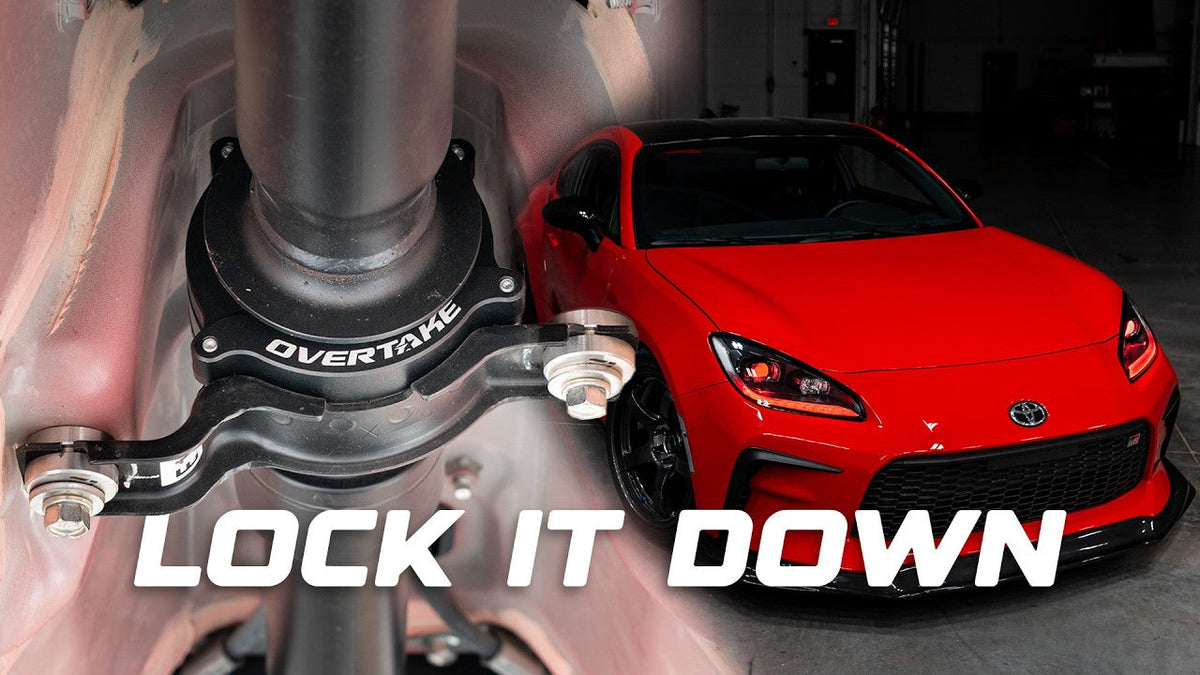
22+ GR86/BRZ Driveshaft Lockdown & Carrier Bushing Install

22+ GR86/BRZ Driveshaft Lockdown & Carrier Bushing Install

Looking to tighten up the drivetrain on your 2022+ Toyota GR86 or Subaru BRZ? We walk through installing the OVERTAKE Driveshaft Lockdown Kit and Carrier Bushings, covering the tools, installation steps, and torque specs. Two upgrades aimed at reducing unwanted driveshaft movement for a more connected feel.

Read moreabout 22+ GR86/BRZ Driveshaft Lockdown & Carrier Bushing Install

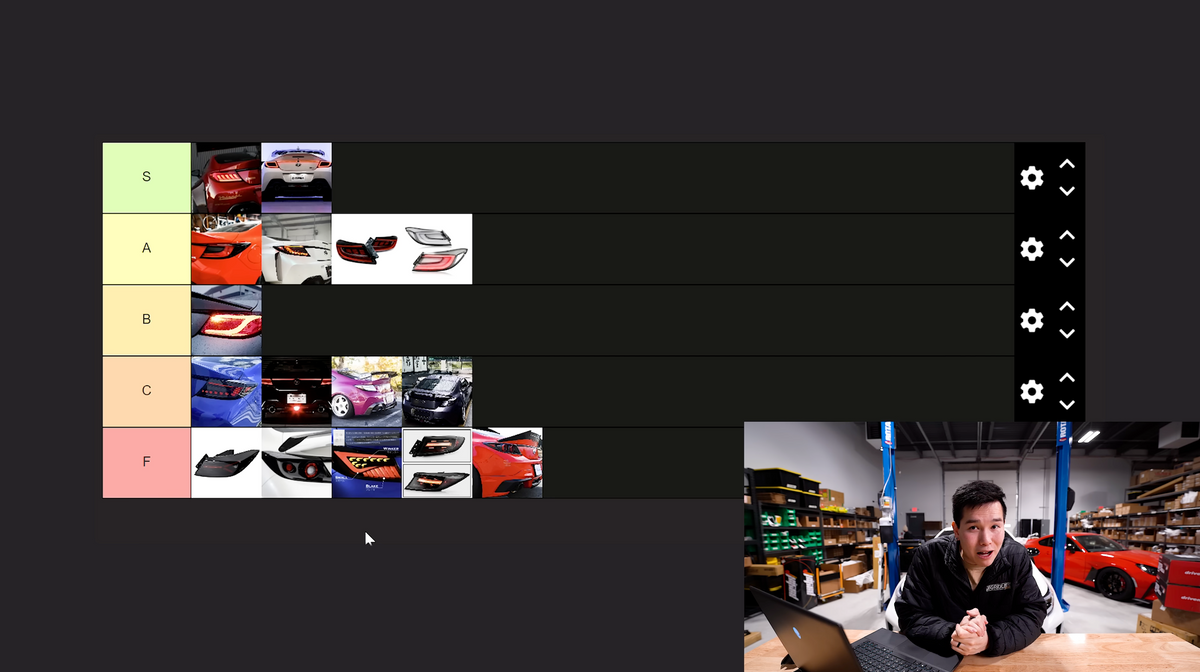
Ranking Best Toyota GR86 & Subaru BRZ Tail Lights

Ranking Best Toyota GR86 & Subaru BRZ Tail Lights

With 16 stock and aftermarket taillight designs to choose from, which options actually look best on the second-generation Toyota GR86 and Subaru BRZ? Kevin ranks everything from subtle OEM-style lights to aggressive show-car designs, placing each set into tiers from S to F.

Read moreabout Ranking Best Toyota GR86 & Subaru BRZ Tail Lights